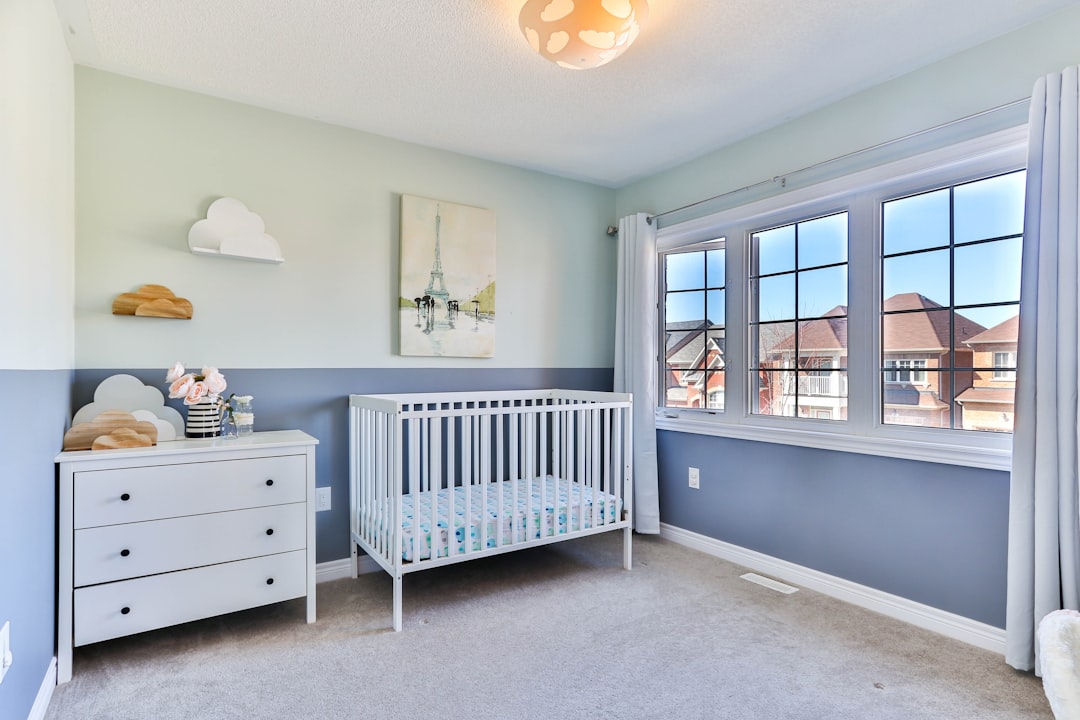
Creating a nursery that’s both safe and comfortable takes planning, the right products, and attention to small details. This guide walks through practical steps you can take now to protect your baby and build a serene, functional space that grows with your child.
Below are clear, actionable sections covering sleep safety, childproofing, monitoring, storage, and everyday routines—plus a checklist and FAQs to help you implement changes quickly and confidently.
Choose a safe crib and assemble it correctly
Select a crib that meets current safety standards: a firm mattress that fits snugly, fixed sides, and slats spaced no more than 2 3/8 inches apart. Follow the manufacturer’s instructions to the letter when assembling; loose screws, missing fasteners, or improperly installed parts are common hazards. Keep tools on hand you trust for precise assembly—consider a professional-grade Hand Tool Sets for tightening bolts, checking hardware, and installing mattress supports.
Secure doors, windows, and entry points
Control who can access the nursery and limit accidental exits by installing reliable door hardware. Use childproof door locks where appropriate and consider a smart entry system to manage access without sacrificing convenience. When choosing an entry solution that integrates with your home setup, explore options such as Smart Doorbells & Door Locks to add remote access control and activity logs for added peace of mind.
Monitor remotely and check in without disturbance
A good baby monitor helps you respond quickly and protects sleep routines. Modern systems include video, two-way audio, temperature alerts, and motion detection. Place cameras to cover the crib area without casting shadows or shining lights into the sleep zone. For reliable visual monitoring and clear alerts, consider installing a dedicated Home Security Cameras system positioned to respect privacy while giving you the visibility you need.
Arrange furniture and anchor heavy pieces
Plan the nursery layout to create clear pathways and minimize clustered furniture. Keep the crib away from windows, cords, and heaters. Secure dressers, bookshelves, and changing tables to the wall to prevent tipping—particularly when babies begin to pull up. For installing brackets, anchors, or mounting hardware use robust tools that make the job safer and faster; a portable set of Cordless Power Tools can speed installation and ensure fittings are tight and reliable.
Safe storage for feeding supplies and small items
Store bottles, pumping parts, and small feeding accessories in clearly labeled containers that are airtight and easy to clean. Glass or BPA-free containers help prevent odors and stains and are often oven- and freezer-safe for meal prep as your child grows. For practical, durable storage that fits a busy nursery routine, consider using Glass Food Storage Containers to keep supplies hygienic and accessible.
Organize clothing, linens, and toys
Designate specific zones for diapers, clothes, seasonal items, and toys to reduce clutter and limit time spent searching for essentials. Adjustable shelving and drawers allow you to adapt the space as needs change. A modular closet or organizer system makes it simpler to separate sizes and rotate clothing. For an efficient storage hub that scales with your child, look at a system like the Vomavex Closet System.
Create a development-friendly toy and activity area
Set up a low, soft play zone with clear visibility from the rest of the room. Choose open-ended, non-toxic toys that support motor skills and language development; rotate toys monthly to keep stimulation fresh without crowding the floor. When choosing toys, prioritize educational value and durability—browse curated categories like Educational Toys for Kids for age-appropriate, development-focused options.
Introduce safe screen-free activities and travel-ready games
Gentle problem-solving games and tactile toys help build concentration and fine motor skills without screen time. Keep a small selection of portable, quiet activities for naps, visits, or travel. For a compact, brain-building option that fits in a diaper bag or on-the-go kit, consider travel-ready puzzles like the STEM Explorers Brainometry Game, which encourages pattern recognition and memory in short sessions.
Checklist: Quick nursery safety steps
- Assemble crib per manufacturer instructions and tighten hardware with a reliable Hand Tool Set.
- Anchor all tall furniture to walls and secure cords out of reach.
- Install a dependable entry solution like Smart Doorbells & Door Locks for controlled access.
- Position a camera for non-intrusive visual monitoring; use a reputable Home Security Cameras option if you need remote viewing.
- Keep feeding supplies in airtight containers such as Glass Food Storage Containers.
- Organize clothing with a modular system like the Vomavex Closet System.
- Keep a small set of stimulating, age-appropriate toys from an Educational Toys for Kids collection and a compact travel game such as the STEM Explorers Brainometry Game.
FAQ
- How far should the crib be from windows? Keep the crib several feet from windows and window treatments to avoid drafts, cords, and sunlight that can disturb sleep.
- What’s the safest mattress type? Use a firm, flat mattress made to the crib’s dimensions without extra padding, pillows, or bumpers until the child is older.
- When should I anchor furniture? Anchor any item taller than the child’s standing height or items with drawers that might be pulled—do this as soon as you place it in the nursery.
- Are camera monitors safe for privacy? Use strong, unique passwords, enable two-factor authentication, and keep firmware updated to reduce security risks.
- How many toys should be in the nursery? Rotate a small collection—3–7 toys visible at a time—to encourage focused play and reduce clutter.
- What cleaning routine works best? Wipe surfaces weekly, wash sheets and mattress protectors frequently, and sanitize high-touch items such as changing pads and feeding equipment after use.
Conclusion
Building a safe, comfortable nursery is about layered protections: secure furniture, mindful layout, reliable monitoring, organized storage, and development-focused toys. Start with the crib and anchors, add sensible monitoring and access control, and create storage systems that reduce clutter. Small investments in proper tools, storage, and select learning toys pay off daily by improving safety and making care routines faster and more predictable.
Products Featured in This Article

Learning Resources STEM Explorers B…
Build smarter thinking through hands-on play with this STEM brain puzzle game from Educational Insights. Kids…

Razab 24 Pc Airtight Glass Food Sto…
From the brand About the Brand Razab is a US-based family-owned business established in 2017 with…
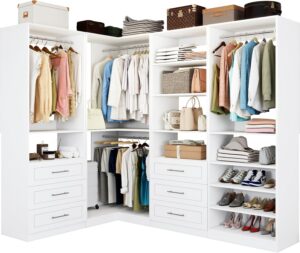
Vomavex Closet System with 4 sets, …
Product description Customize with the Vomavex 4-in-1 Closet System to Create a Work of Art. 4-in-1:This…