How to Start a Home Workout Routine for Beginners
Starting a home workout routine is one of the smartest ways to build fitness without the friction of commuting to a gym. With a simple plan, a few core pieces of equipment, and consistent tracking, beginners can make steady progress and build a habit that lasts.
This guide walks you through practical steps to start safely, pick equipment that delivers value, schedule effective sessions, and measure progress so you keep advancing.
Set clear, realistic goals
Begin with one or two specific goals: build general strength, increase cardiovascular fitness, lose weight, or improve mobility. Write a measurable target (e.g., “3 strength sessions and 2 20-minute cardio sessions per week for 8 weeks”) and a simple metric you’ll track, like workout days completed or minutes active.
Create a simple weekly plan
For most beginners, a focused 3–4 day plan provides progress without burnout. Example split:
- Day 1: Full-body strength (45 minutes)
- Day 2: Mobility or active recovery (20–30 minutes)
- Day 3: Cardio or HIIT (20–30 minutes)
- Day 4: Full-body strength or bodyweight circuit (30–45 minutes)
Keep sessions short and consistent. Track days in a calendar and treat them as appointments.
Essential beginner equipment
You don’t need a lot to get started, but adding one versatile tool makes strength work easier and safer. A suspension trainer provides hundreds of scalable bodyweight variations for rows, presses, lunges, and core work. Consider a compact system that mounts at home or outdoors like the TRX All-In-One Home Gym System to expand movement options without bulky machines.
Strength training basics with progressive overload
Strength training drives most visible fitness gains for beginners. Focus on compound movements or their home-friendly equivalents: squats, lunges, push variations, rows, and planks. If free weights aren’t available, resistance bands are a low-cost, space-saving way to add load and progression. A 5-level set with handles is ideal for scaling resistance across exercises — a good beginner option is the WHATAFIT Resistance Bands with Handles.
Progress by increasing reps, adding sets, slowing tempo, or moving to a stronger band. Aim for 2–3 strength sessions per week that cover all major muscle groups.
Mobility and warm-up to reduce injury risk
Start each session with 5–10 minutes of dynamic movement: hip circles, leg swings, shoulder rolls, and bodyweight squats. Finish harder workouts with 5–10 minutes of mobility work or stretch to aid recovery. A comfortable non-slip surface matters for stability during warm-ups, yoga, and floor exercises — consider a quality exercise mat such as the Gruper Yoga Mat for safer movement and easier cleanup.
Cardio options and outdoor choices
Cardio can be practical and equipment-free: brisk walks, jogs, jump rope, stair climbs, or HIIT circuits like 30 seconds on/30 seconds off of burpees, high knees, and mountain climbers. If you prefer dedicated outdoor gear for sprints, sleds, or plyometrics, check options in the Outdoor Fitness Equipment category to complement at-home sessions.
Track progress with wearables and apps
Small tech tools keep motivation high and make progress objective. A smartwatch with activity and sleep tracking helps you measure activity minutes, heart rate zones, and recovery trends. Look for a multi-sport tracker that records workouts and syncs with your phone like the Smart Watch for Women Men, Fitness and Sleep Trackers.
Weigh-ins, body metrics, and realistic interpretation
Periodic weigh-ins can be useful, but body composition and consistency matter more than daily scale fluctuations. A smart scale that shows weight, BMI, body fat, and muscle mass provides additional context so you can pair training with nutrition adjustments. For straightforward home monitoring, consider the GE Smart Scale for Body Weight, BMI.
Focus, audio, and recovery essentials
Music or guided workouts make sessions enjoyable and reduce perceived effort. Reliable earbuds with secure fit and long battery life are helpful for tempo workouts or following video classes — a good option is the TAGRY Bluetooth Headphones True Wireless Earbuds.
Finally, treat recovery as part of training. Short daily sessions of foam rolling, targeted stretching, and occasional deep-tissue massage reduce soreness and protect progress. A compact percussion tool can speed relief after tough sessions — the Massage Gun with Heat Massager is useful for targeted recovery when muscle tightness builds up.
Practical checklist
- Set one measurable goal (frequency or performance) for the next 4–8 weeks.
- Create a 3–4 day weekly plan and schedule sessions in your calendar.
- Equip your space: mat, a resistance band set, and one versatile tool if desired.
- Warm up 5–10 minutes before each session; cool down/mobility after.
- Track workouts and sleep with a wearable; weigh or measure body stats weekly.
- Prioritize recovery: hydration, sleep, and periodic self-massage or rolling.
FAQ
- How long before I see results? Most beginners notice strength and energy improvements in 4–6 weeks with consistent training; visible body changes may take longer depending on diet and starting point.
- Do I need equipment? No — bodyweight training works well. A few small items (bands, mat, or suspension trainer) make progression easier and lower injury risk.
- How often should I work out? Aim for 3–5 sessions per week depending on recovery. Beginners often start at 3 full sessions and add more as stamina improves.
- What if I’m short on time? Do a focused 20–30 minute session: warm-up, 2–3 compound exercises in circuit style, and a short mobility cooldown.
- How do I avoid injury? Start with controlled movements, prioritize form over load, warm up, and don’t skip rest days. If something hurts sharply, stop and reassess technique.
Conclusion
Starting a home workout routine is a sequence of simple choices: set a clear goal, pick a sustainable weekly plan, add a few quality tools, and track progress. Begin modestly, measure consistently, and refine your plan every 4–8 weeks. With steady effort and small adjustments, you’ll build strength, endurance, and a habit that fits your life.
Products Featured in This Article

TRX All-In-One Home Gym System – …
Product description The video showcases the product in use.The video guides you through product setup.The video…
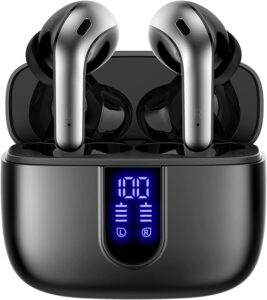
TAGRY Bluetooth Headphones True Wir…
Product description 1 Immersive Music Sound 2 Wireless Charging Case 3 HD Crystal Call 4 Widely…

Smart Watch for Women Men, Fitness …
Product description Bluetooth Call & Smart Notification Center: Stay connected and in control with the T7…

WHATAFIT Resistance Bands with Hand…
Resistance Bands, 5 Exercise Bands Set – resistance bands for working out with handles, door anchor…

Gruper Yoga Mat Non Slip, Eco Frien…
This Gruper yoga mat is made of non-toxic, odorless and harmless TPE material, which is friendly…
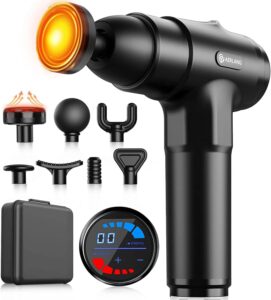
Massage Gun with Heat Massager Deep…
Product description Why isn’t my massage gun heating up? The heated massage head needs to be…

GE Smart Scale for Body Weight, BMI…
Product description EXPLORE MORE FROM GE Add to Cart Add to Cart Add to Cart Add…