How to Keep Your Home Clean and Organized With Pets
Having pets enriches life, but maintaining a tidy home with fur, dirt, and pet gear can feel overwhelming. The good news: small systems and the right tools make day-to-day upkeep manageable without sacrificing time with your animals.
This guide gives practical, repeatable strategies for cleaning, organizing, and pet-proofing your space so your home stays comfortable, healthy, and welcoming for everyone.
Create pet-friendly routines
Start with predictable, short routines. A 10–15 minute morning and evening tidy can prevent messes from piling up. Schedule feeding and treat times in designated spots and store kibble in airtight containers to lock in freshness and cut down on spills. Consider high-quality food containers to portion meals and reduce air exposure for dry food: Food Storage Containers.
Define pet zones and contain the mess
Designate clear zones for eating, sleeping, play, and grooming. Use washable mats under bowls, a durable bed in a low-traffic corner, and a toy basket near the play area. For small homes, a closet or cabinet dedicated to pet supplies keeps items off counters and floors—an organized closet system can be a big time-saver: Vomavex Closet System.
Quick daily cleanups: tools and techniques
Make cleanups fast by keeping tools accessible where you need them. A short list of multipurpose supplies—lint rollers, a rubber broom for hair, microfiber cloths, and a compact vacuum—covers most situations. For quick spot-cleaning and furniture touch-ups, a handheld vacuum is indispensable; compact models designed for small spaces handle crumbs and pet hair in seconds: KMM Handheld Car Vacuum Cleaner.
If you move between house and car or need more mobility, look at compact vacuum categories for portable, powerful options that store easily: Portable Car Vacuums.
Control hair and dander where it matters
Reduce shedding at the source: brush pets regularly in an easy-to-clean area (a tiled space or balcony). Use grooming tools designed for your pet’s coat to capture loose hair before it lands on furniture. For fabrics, keep washable slipcovers and throw blankets on couches and chairs—remove and launder weekly. For tougher jobs, a rubber broom and high-quality vacuum attachments aimed at upholstery will lift embedded hairs more effectively than sweeping alone.
Pet-proof your home with simple DIY fixes
Small modifications prevent messes and reduce damage. Use childproof latches on cabinets with cleaners, raise trash cans with lids or secure them inside a cabinet, and add barriers to block access to rooms where you want pets kept out. Basic installation tasks—like mounting hooks for leashes, building a pet gate, or securing a latch—are faster with the right cordless tools. For dependable, portable power during these projects consider compact options in the cordless tools category: Cordless Power Tools.
Travel and car tips for pet owners
When taking pets on the road, keep cleaning and organization simple. Use seat covers and washable carriers, and store travel leashes, treats, and waste bags in one spot so you’re always ready to go. For organized car travel, a compact organizer keeps supplies within reach and prevents clutter in the cabin: Car Seat Side Organizer.
Monitor and secure while you’re away
Knowing how your pet behaves when alone helps you address cleaning and behavior issues faster. Indoor cameras let you check activity, spot accidents early, and even interact with pets remotely. If you’re considering camera options for pet monitoring, explore dedicated systems that balance image quality and ease of use: Home Security Cameras.
For households that rely on sitters or dog walkers, smart locks or smart doorbells make secure, keyless access possible and reduce lost-key stress. They also let you manage visitor access without changing routines: Smart Doorbells & Door Locks.
Cleaning product and storage tips
Use enzyme-based cleaners for biological stains (urine, vomit) and keep a small cleaning caddy with stain remover, paper towels, gloves, and a scrub brush in a cupboard near common accident zones. Store extra food, treats, and medications in labeled containers or bins at eye level so you grab what you need quickly. If possible, choose stackable, clear containers to maximize space and visibility.
Checklist: A weekly tidy plan
- Daily (5–15 min): Sweep high-traffic areas, wipe food areas, brush or groom pet to reduce shedding.
- Every 2–3 days: Vacuum upholstery and rugs; wash pet bedding or rotate it to airing spot.
- Weekly: Deep-clean floors, launder removable covers, empty and sanitize litter boxes or waste bins.
- Monthly: Declutter pet supplies, check food/storage containers, inspect gates/latches and replace worn items.
- Before travel: Pack travel caddy and confirm car organizers and seat covers are in place.
FAQ
- How often should I bathe my dog or cat?
Bathing frequency depends on breed, coat type, and activity level—typically every 4–8 weeks for most dogs; cats usually groom themselves but may need baths if very dirty or for medical reasons. Use a gentle pet-specific shampoo and spot-clean between full baths.
- What’s the best way to remove pet hair from upholstery?
Start with a rubber broom or a dampened microfiber cloth, then follow with a vacuum using an upholstery attachment. Regular brushing of your pet reduces the amount that reaches furniture.
- How do I keep pet food fresh and pest-free?
Store dry food in airtight containers in a cool, dry place, use older stock first, and clean containers between refills. Consider portioning food into meal-sized containers if you pre-portion for convenience.
- Can cameras help reduce accidents when I’m out?
Yes—cameras let you check on pets, spot anxious behavior early, and communicate with them. They also provide insight into patterns that lead to accidents so you can adjust routines.
- How do I minimize odors in a multi-pet household?
Address odor sources: wash bedding and fabric covers frequently, clean litter boxes daily, use enzyme cleaners on accidents, and ventilate spaces. Air purifiers and regular grooming also reduce airborne dander and smell.
Conclusion
Keeping a clean, organized home with pets is about smart systems, regular short routines, and a few well-chosen tools. Designate zones, store supplies logically, and use portable cleaning tools and secure entry options to reduce stress. Start with one small habit today—like a 10-minute evening tidy—and build your system from there for a calmer, cleaner home.
Products Featured in This Article

KMM Handheld Car Vacuum Cleaner, Ha…
From the brand KMM is a brand dedicated to solving everyday problems for families, freeing your…
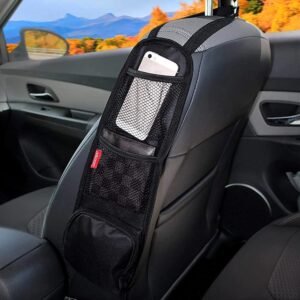
Car Seat Side Organizer, Auto Seat …
Product description 1 Smart Design 2 Easy Installation 3 Stronger Material The video showcases the product…
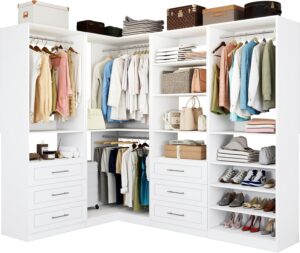
Vomavex Closet System with 4 sets, …
Product description Customize with the Vomavex 4-in-1 Closet System to Create a Work of Art. 4-in-1:This…